
Sitemap
A list of all the posts and pages found on the site. For you robots out there, there is an XML version available for digesting as well.
Pages
Posts
Future Blog Post
Published:
This post will show up by default. To disable scheduling of future posts, edit config.yml and set future: false.
Blog Post number 4
Published:
This is a sample blog post. Lorem ipsum I can’t remember the rest of lorem ipsum and don’t have an internet connection right now. Testing testing testing this blog post. Blog posts are cool.
Blog Post number 3
Published:
This is a sample blog post. Lorem ipsum I can’t remember the rest of lorem ipsum and don’t have an internet connection right now. Testing testing testing this blog post. Blog posts are cool.
Blog Post number 2
Published:
This is a sample blog post. Lorem ipsum I can’t remember the rest of lorem ipsum and don’t have an internet connection right now. Testing testing testing this blog post. Blog posts are cool.
Blog Post number 1
Published:
This is a sample blog post. Lorem ipsum I can’t remember the rest of lorem ipsum and don’t have an internet connection right now. Testing testing testing this blog post. Blog posts are cool.
portfolio
Visual expertise development in anatomy education
We study how anatomy experts perceive visual information that novices overlook. Using eye-tracking, we record gaze behaviour of medical students examine histological sections, ultrasound scans, and anatomical structures to identify search patterns linked to accurate image interpretation and tracing how these develop across training. A translational question is how expert eye movements can serve as a teaching resource, and we investigate which instructional formats best support the transfer of visual expertise. 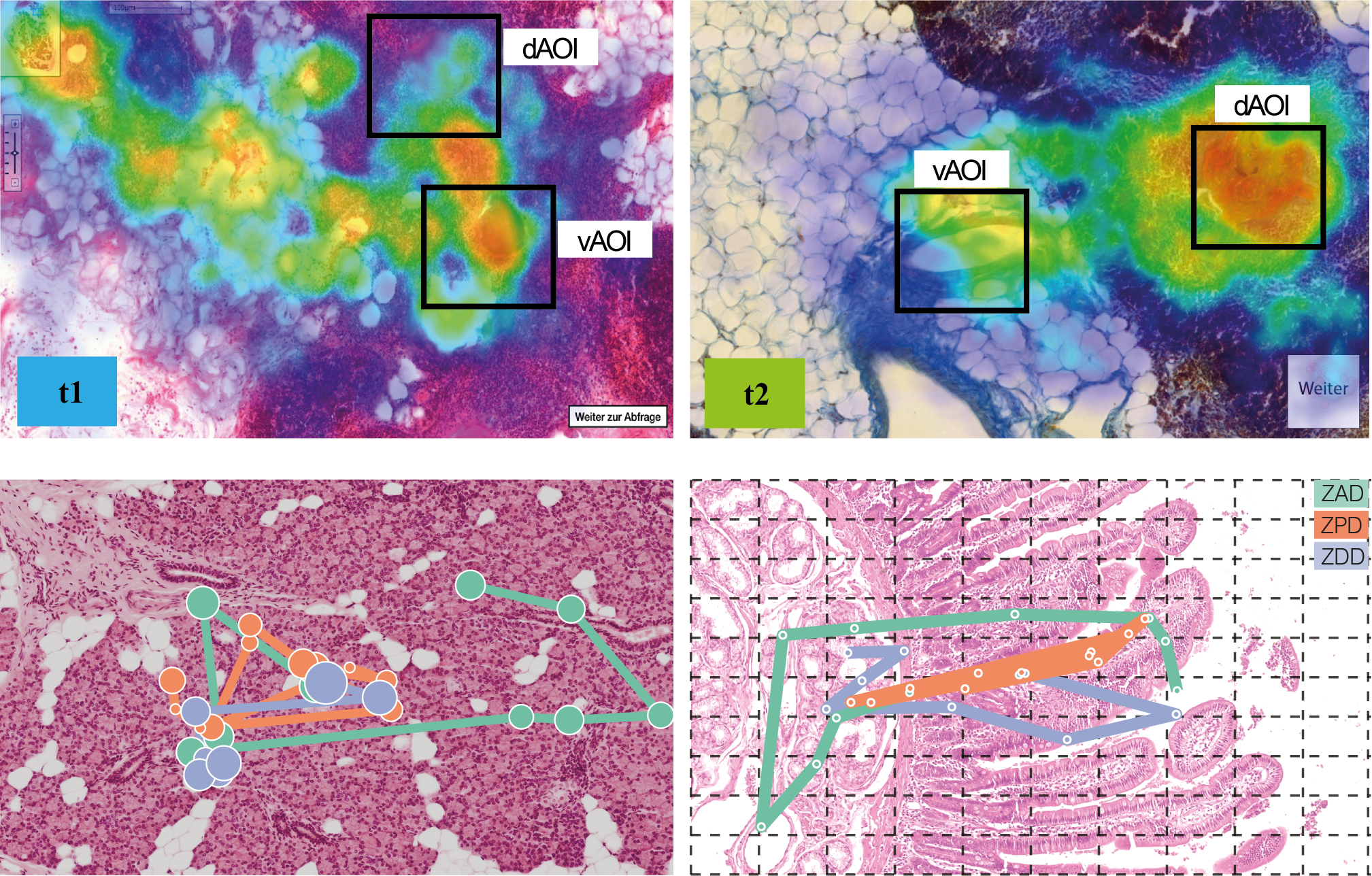
Development of digital learning tools for the anatomy curriculum
We build learning environments that prepare students for diagnostic work in an increasingly digital clinical world. Whole slide imaging and distance teaching represent a first step; we build on that foundation by integrating AI-assisted segmentation into the direct study of histology. Our focus is on connecting AI tools directly to core anatomical learning objectives, and to foster AI-literacy without overloading the curriculum with technical details. Through this, we aim to support cognitive engagement, critical thinking, and help medical students reach clinical competency more efficiently. 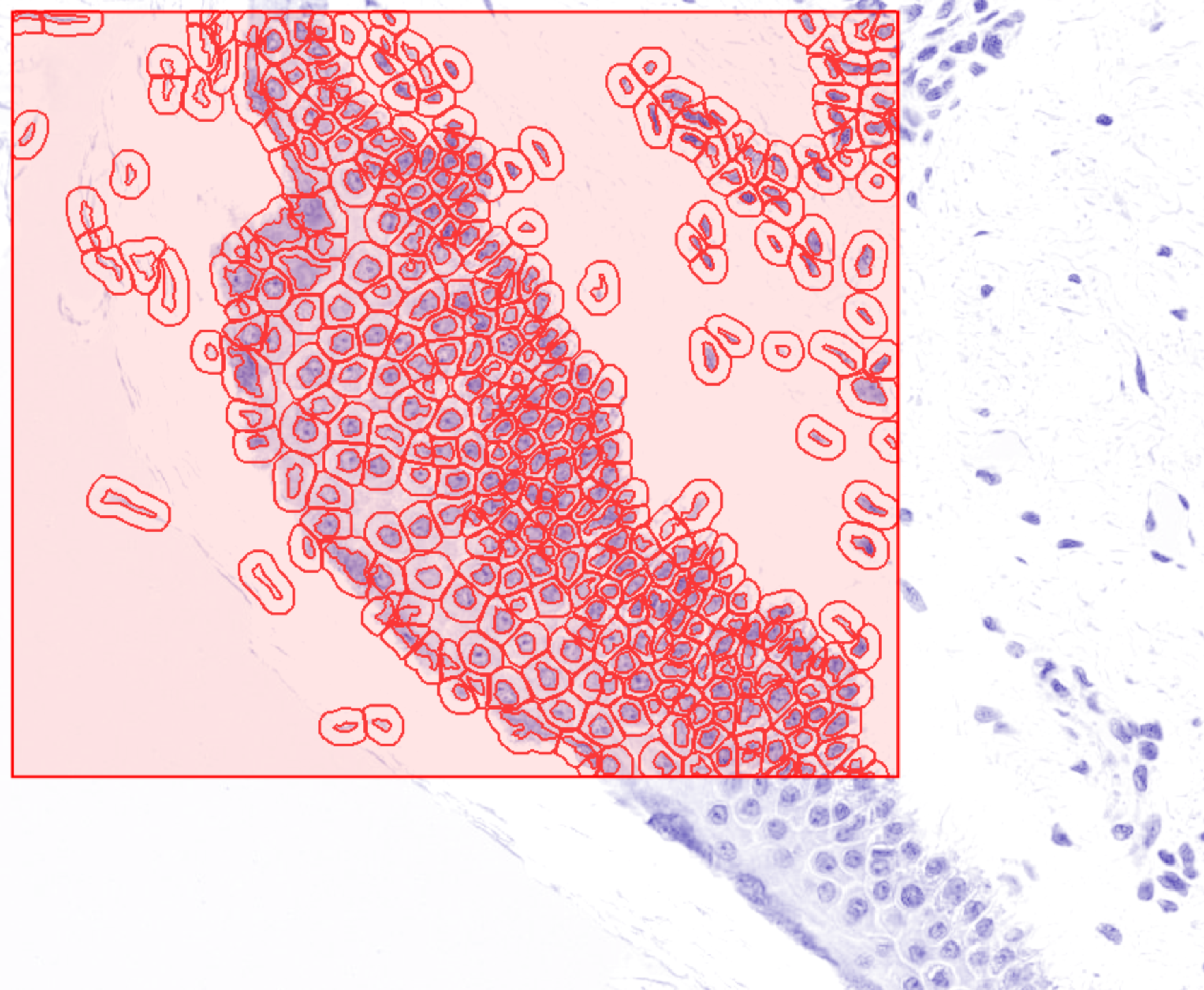
Joint visual attention in medical training
We study what happens when a teacher-student or student-student pairs attend to the same thing at the same time, and why it matters for learning. Using dual mobile eye-tracking, we simultaneously record the gaze of dyads during live medical training scenarios to quantify joint visual attention, map leader-follower dynamics, and compare how different instructional approaches shape shared attention patterns. Our goal is to translate these insights into practical guidance for educators and tools that support reflective teaching practice. 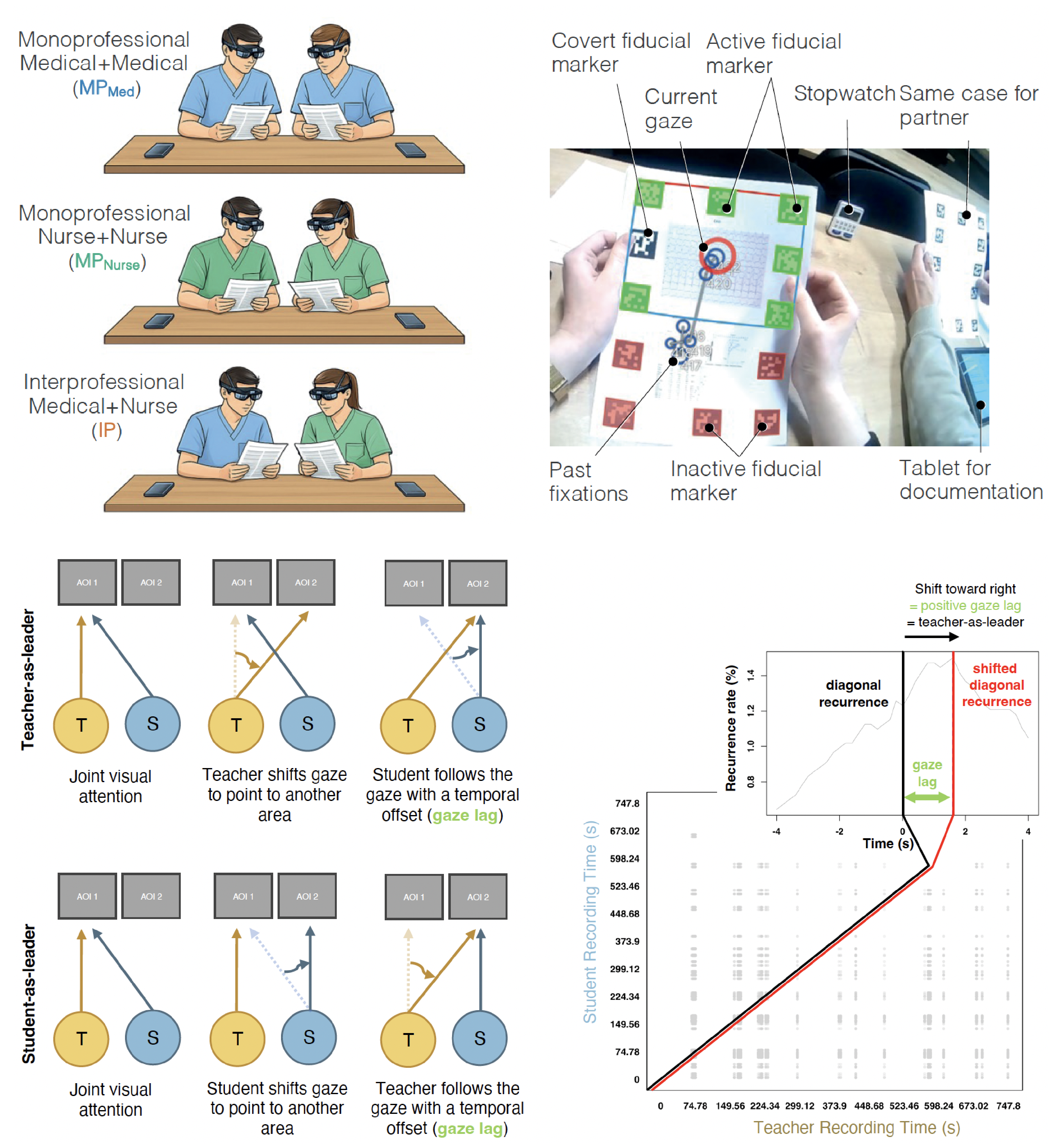
Visual attention of professional and interprofessional medical teams
We study how members of medical teams coordinate their visual attention during joint tasks, and what this reveals about how expertise, role, and communication shape shared situational awareness. Using multiparty mobile eye-tracking across multiple team members simultaneously, we record gaze behaviour in ecologically valid scenarios. We map how attention is distributed across professional roles and how visual coordination relates to group communication and decision-making. 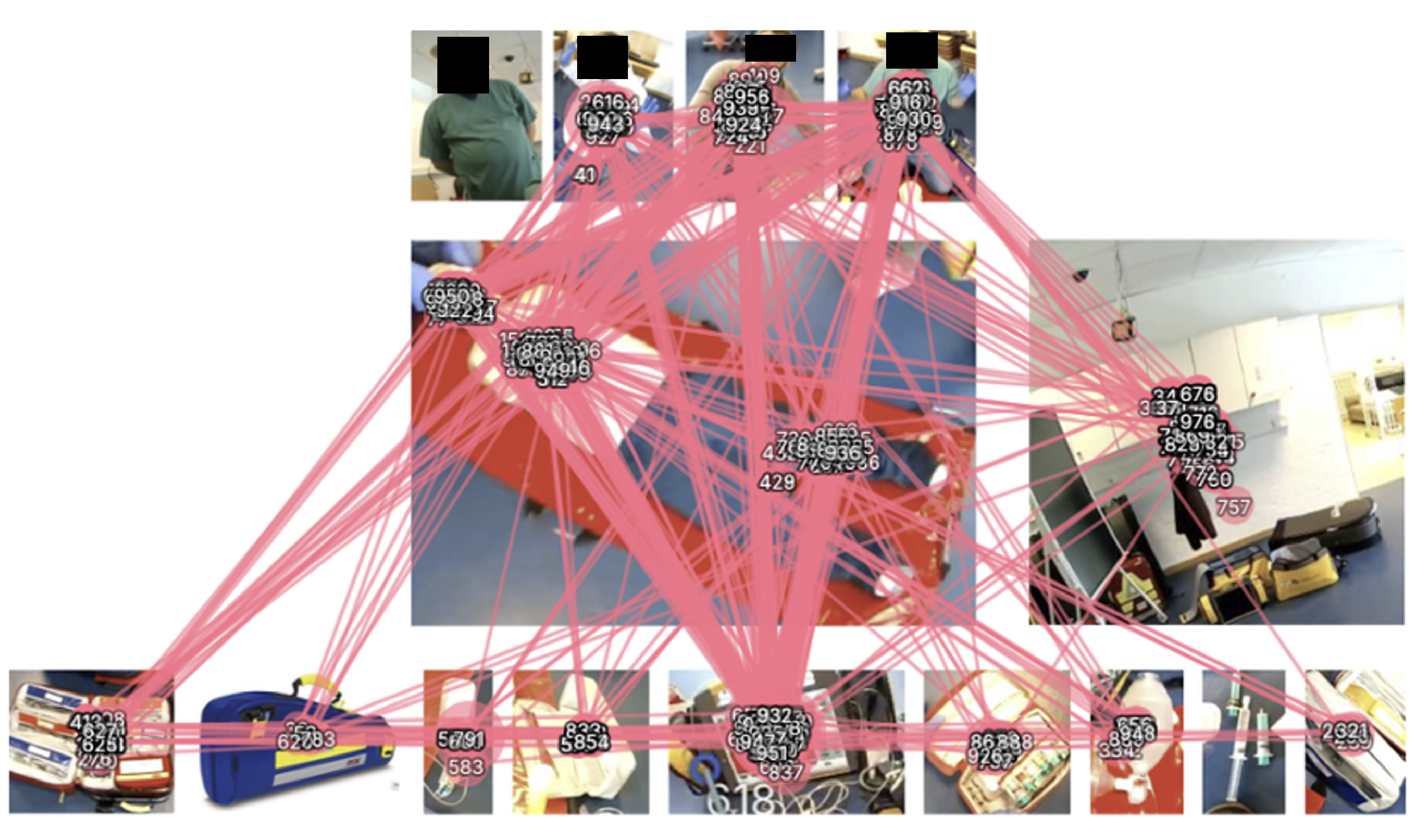
projects
publications
Implementation of a fully digital histology course in the anatomical teaching curriculum during COVID-19 pandemic
Published in Annals of Anatomy, 2021
 During the COVID-19 pandemic, many medical schools were forced to transition mandatory curriculum courses to online teaching formats, yet little information existed about the feasibility and effectiveness of distance teaching in anatomy. In this paper we report on the rapid redesign and evaluation of a histology course, converting a traditional classroom-based format into a fully digital, synchronous online course.
The course design incorporated theoretical introductions, an online adaptation of virtual microscopy software previously used in the classroom, and active learning elements including collaborative work in breakout rooms, annotation assignments, and multiple-choice questions, all delivered via the Zoom platform. Two preclinical cohorts of approximately 400 second- and third-semester students were taught in parallel.
We evaluated the implementation through student attendance data, summative course performance, and quantitative and qualitative student feedback, offering one of the early empirical accounts of fully digital anatomy education during the pandemic. The findings contribute practical insights into how virtual microscopy and active learning strategies can be integrated into online histology instruction, with implications for curriculum design beyond the pandemic context.
Recommended citation: Darici D., Reissner C., Brockhaus J., & Missler M. (2021). Implementation of a fully digital histology course in the anatomical teaching curriculum during COVID-19 pandemic. Annals of Anatomy, 236:151718.
“Fun slipping into the doctors role” - The relationship between sonoanatomy teaching and professional identity formation before and during the Covid-19 pandemic
Published in Anatomical Sciences Education, 2022
 Becoming a physician is not only a matter of acquiring knowledge and technical skill, it also involves the gradual internalization of a professional identity. Hands-on clinical learning environments, where students handle instruments, interact with peers, and engage with real imaging data, are thought to accelerate this process by offering early, embodied glimpses into expert practice.
This study examined whether sonoanatomy teaching contributes to professional identity formation (PIF) in preclinical medical students, and how the forced transition to online-only instruction during the COVID-19 pandemic disrupted this process. Third-semester students participated in a four-day block course combining peer teaching, imaging methods, and daily hands-on ultrasound sessions. On-site sonoanatomy strongly supported identity-related variables including authentic hands-on experience, perceived clinical relevance, and social interaction, and was associated with heightened motivation and increased attraction to the medical profession. A comparison of on-site cohorts (n = 1,096) and online-only cohorts (n = 230) revealed that remote learning reduced all measured PIF-related variables, elevated student stress, and negatively impacted long-term academic performance.
The findings suggest that the experiential conditions enabling expertise development, i.e., embodied practice, peer interaction, and clinical immersion are the same conditions that drive professional identity formation. Transitioning to digital formats therefore does not merely change the mode of delivery; it removes the very scaffolding through which students begin to see themselves as future clinicians, underscoring the need for intentional strategies to preserve non-academic learning goals in digital curricula.
Recommended citation: Darici, D., Missler, M., Schober, A., Masthoff, M., Schnittler, H., & Schmitz, M. (2022). "Fun slipping into the doctor's role" — The relationship between sonoanatomy teaching and professional identity formation before and during the Covid-19 pandemic. Anatomical Sciences Education, 15(3), 447–463. https://doi.org/10.1002/ase.2178
Are stereotypes in decline? The portrayal of female anatomy in e-learning
Published in Anatomical Sciences Education, 2023
 Visual expertise in anatomy is not only a matter of perceptual training it is also shaped by the images students are trained on. The systematic over- or misrepresentation of certain bodies in learning materials may tacitly calibrate what medical students learn to recognize as “normal,” with downstream consequences for clinical perception and diagnostic reasoning.
This study examined both quantitative and qualitative sex and gender representation across widely used anatomy e-learning platforms, comparing them to traditional print materials. While digital platforms showed a more balanced sex distribution than conventional textbooks, qualitative biases persisted: female anatomical figures were disproportionately depicted from internal and inferior perspectives and appeared more frequently in passive roles.
What students see repeatedly, they learn to see well. The composition of anatomical image libraries is therefore not a peripheral design question but a direct determinant of the visual expertise medical students develop, and of the perceptual blind spots they may carry into clinical practice.
Recommended citation: Darici, D., Schneider, A. Y.-D., Missler, M., & Pfleiderer, B. (2023). Are stereotypes in decline? The portrayal of female anatomy in e-learning. Anatomical Sciences Education, 16(4), 720–732. https://doi.org/10.1002/ase.2211
Medical imaging training with eye movement modeling examples: A randomized controlled study
Published in Medical Teacher, 2023
Expertise in medical imaging depends not only on anatomical knowledge but on the ability to direct visual attention efficiently; a skill rarely made explicit in traditional teaching. Eye movement modeling examples (EMMEs) are instructional videos in which an expert’s gaze is superimposed onto the learning material, making otherwise invisible perceptual strategies visible to novice learners.
This randomized controlled study investigated whether ultrasound training in which an expert’s eye movements are superimposed onto the underlying ultrasound video leads to better learner outcomes compared to conventional video-based instruction. Preclinical medical students were randomly assigned to either an EMME condition or a control condition and completed a structured abdominal sonography training.
Results showed that EMME-based instruction led to superior image interpretation performance, supporting the notion that making expert gaze behavior explicit facilitates the acquisition of perceptual diagnostic skills. The study contributes to a growing body of evidence on the role of visual attention in medical image reading and offers a practical, scalable method for integrating expert perceptual modeling into medical imaging curricula.
Recommended citation: Darici, D., Masthoff, M., Rischen, R., Schmitz, M., Ohlenburg, H., & Missler, M. (2023). Medical imaging training with eye movement modeling examples: A randomized controlled study. Medical Teacher, 45(8), 918–924. https://doi.org/10.1080/0142159X.2023.2189538
Webcam-based eye-tracking to measure visual expertise of medical students during online histology training
Published in GMS Journal for Medical Education, 2023
Visual expertise, the ability to efficiently direct gaze toward diagnostically relevant features, is a core competency in image-based medical disciplines such as histology and radiology. While laboratory-grade infrared eye-trackers have long been used to study the development of this skill, their cost and technical demands have limited scalability in educational settings.
This study investigated the feasibility of webcam-based eye-tracking as a cost-effective alternative for measuring visual expertise within a curricular online-only histology course during the 2021 summer term. At two timepoints, third-semester medical students were asked to diagnose a series of histological slides while their eye movements were recorded, with eye metrics, performance scores, and behavioral measures analyzed using variance analyses and multiple regression models.
The findings demonstrate that webcam eye-tracking is a feasible methodology for capturing gaze behavior in large student cohorts outside the laboratory. The study provides a foundation for scalable, evidence-based assessment of perceptual skill development in histology education, and contributes to growing efforts to integrate eye-tracking methodology into routine medical training contexts.
Recommended citation: Darici, D., Reissner, C., & Missler, M. (2023). Webcam-based eye-tracking to measure visual expertise of medical students during online histology training. GMS Journal for Medical Education, 40(5), Doc60. https://doi.org/10.3205/zma001642
Transfer of learning in histology: Insights from a longitudinal study
Published in Anatomical Sciences Education, 2023
 A central aspiration of anatomical education is that students not only retain course content but can apply their knowledge flexibly to novel problems, a capacity known as transfer of learning. In image-based disciplines like histology, transfer is inseparable from visual expertise: students must learn not just what to know, but where to look and what to attend to when confronting an unfamiliar slide.
This two-group longitudinal study tracked the development of retention and transfer performance across a ten-week histology course. At three timepoints (0, 10, and 20 sessions), medical students completed theoretical tasks, examined familiar histological slides (retention task), and assessed unfamiliar slides not previously encountered in the course (transfer task). Eye-tracking data revealed that students with histology training showed greater visual activity when solving transfer tasks, reflected in an increased total fixation count, suggesting that developing expertise involves not only knowing more but actively searching more.
Students in the histology group gradually outperformed controls across all tasks, with the largest performance differences emerging in the second half of the course. Early retention performance and late theoretical knowledge were the strongest predictors of final transfer success. The findings indicate that visual attention and perceptual engagement are measurable markers of growing expertise, and that transfer in histology is a late-emerging competency with important implications for the timing and structure of anatomical curricula.
Recommended citation: Darici, D., Flägel, K., Sternecker, K., & Missler, M. (2024). Transfer of learning in histology: Insights from a longitudinal study. Anatomical Sciences Education, 17(2), 274–286. https://doi.org/10.1002/ase.2363
Profiling learning strategies of medical students: A person-centered approach
Published in Medical Education, 2024
 How students study is as consequential as what they study. Yet research on learning strategies in medical education has largely treated strategy use as a set of isolated variables rather than as coherent, individual patterns. This study took a person-centered approach to move beyond variable-centered analyses and instead identify the naturally occurring profiles of strategy use that medical students actually adopt.
Using latent profile analysis across a large multi-site sample, four distinct learner profiles were identified. Profiles differed meaningfully in their combination of cognitive, metacognitive, and resource management strategies, and were differentially associated with academic performance outcomes. Students relying primarily on surface-level strategies showed persistently weaker outcomes, while profiles characterized by deep processing and self-regulation were linked to stronger performance across assessments.
The findings argue against one-size-fits-all instructional designs and underscore that effective medical education must account for the heterogeneity of how students engage with anatomy learning material. Understanding learner profiles offers a practical foundation for targeted curricular interventions that support students not yet equipped with the strategic repertoire needed to develop genuine, lasting expertise.
Recommended citation: Otto, N., Böckers, A., Shiozawa, T., Brunk, I., Schumann, S., Kugelmann, D., Missler, M., & Darici, D. (2024). Profiling learning strategies of medical students: A person-centered approach. Medical Education, 58(11), 1304–1314. https://doi.org/10.1111/medu.15388
Interprofessional socialization of first-year medical and midwifery students: effects of an ultra-brief anatomy training
Published in BMC Medical Education, 2024
First-year medical and midwifery students worked through twelve interprofessional learning stations in self-directed tandems, completing authentic obstetric tasks while competing with other pairs and building positive interdependencies. Using a pre-post design with a three-month follow-up, the study assessed interprofessionalism scores, uniprofessional identity, and intergroup contact quantitatively and qualitatively. Both groups showed strong improvements in interprofessionalism scores after training, while uniprofessional identity remained unaffected. Although short-term gains on the interprofessionalism scale diminished at the three-month follow-up, positive intergroup contact persisted, and students identified teamwork and social competencies as important for their future careers.
The findings demonstrate that early-stage health profession students are receptive to interprofessional collaboration and can derive meaningful benefit from even the briefest structured exposure. At the same time, the decay of gains over time points to a challenge: isolated training moments are insufficient on their own, and lasting interprofessional competency requires longitudinal reinforcement embedded throughout the curriculum.
Recommended citation: Bostedt, D., Dogan, E. H., Benker, S. C., Rasmus, M. A., Eisner, E., Simon, N. L., Schmitz, M., Missler, M., & Darici, D. (2024). Interprofessional socialization of first-year medical and midwifery students: Effects of an ultra-brief anatomy training. BMC Medical Education, 24, Article 464. https://doi.org/10.1186/s12909-024-05451-w
Gaze cueing improves pattern recognition of histology learners
Published in Anatomical Sciences Education, 2024
 Expert visual perception is not simply a product of accumulated experience, it is characterized by highly efficient, task-directed gaze behavior that rapidly isolates diagnostically relevant features. For novice learners, these attentional strategies are invisible. Gaze cueing makes them explicit, overlaying recorded expert eye movements onto learning materials to give students direct access to where experts look and why.
This study examined whether exposure to expert gaze cues during histology training improves pattern recognition in medical students. The results showed that gaze cueing not only enhanced recognition performance but also reduced cognitive load during image interpretation, with effects most pronounced when stimuli were presented briefly, precisely the conditions that challenge fast, schematic visual processing.
The findings carry a clear implication: the gap between novice and expert perception in histology is not purely a matter of knowledge, but of visual attention. Gaze cueing offers a scalable, low-cost method for bridging this gap, and positions attentional guidance as a first-class instructional principle in the teaching of visual expertise across image-based medical disciplines.
Recommended citation: Bellstedt, M., Holtrup, A., Otto, N., Berndt, M., Scherff, A. D., Papan, C., Robitzsch, A., Missler, M., & Darici, D. (2024). Gaze cueing improves pattern recognition of histology learners. Anatomical Sciences Education, 17(7), 1461–1472. https://doi.org/10.1002/ase.2498
Large language models improve clinical decision making of medical students through patient simulation and structured feedback
Published in BMC Medical Education, 2024
After only four training sessions, students who received AI-generated feedback on their simulated history-taking conversations substantially outperformed those who engaged in simulation alone, with a strong effect size. Improvements were most pronounced in the subdomains of creating context and securing information. Crucially, simulation without feedback produced no measurable gain, showing that it is the combination of practice and structured reflection that drives skill acquisition.
The findings position LLM-based feedback not merely as a technological convenience but as an active ingredient in clinical training. By making expert-level evaluative commentary instantly available at scale, AI feedback systems can compress the feedback loop that separates novice performance from expert clinical reasoning with direct implications for how medical curricula prepare students for real patient encounters.
Recommended citation: Brügge, E., Ricchizzi, S., Arenbeck, M., Keller, M. N., Schur, L., Stummer, W., Holling, M., Lu, M. H., & Darici, D. (2024). Large language models improve clinical decision making of medical students through patient simulation and structured feedback: A randomized controlled trial. BMC Medical Education, 24, Article 1391. https://doi.org/10.1186/s12909-024-06399-7
Eye movement modeling examples in robotic surgery training - A randomized controlled study
Published in Journal of Surgical Education, 2025
 In robotic-assisted laparoscopic surgery, visual scene interpretation is one of the most demanding challenges trainees face. Effective surgical assistance depends on the ability to rapidly identify anatomical landmarks and follow the operative field — skills that are perceptual before they are procedural. Eye movement modeling examples (EMMEs) offer a principled approach to this challenge by making expert gaze behavior visible during training, guiding novice attention toward clinically critical areas.
In a randomized controlled trial of 137 medical students, viewing expert eye movements during robotic surgery training did not improve students’ ability to interpret anatomical landmarks in laparoscopic images compared to a control group. Students exposed to EMMEs spent significantly more time engaging with the training material, though this increased engagement did not translate to better performance.
The findings challenge previous assumptions about EMMEs’ effectiveness in medical education, suggesting that additional visual cues may compete with rather than complement the intrinsic visual demands of laparoscopic imagery, particularly for advanced learners. The results point to an important boundary condition for attentional guidance interventions: the complexity and information density of the visual environment itself shapes whether expert gaze cues function as a scaffold or as an additional source of cognitive load.
Recommended citation: Storck, A., Schönefeld, E., Bellstedt, M., Janssen, M., Seifert, K. E., & Darici, D. (2025). Eye movement modeling examples in robotic surgery training: A randomized controlled study. Journal of Surgical Education, 82(7), Article 103539. https://doi.org/10.1016/j.jsurg.2025.103539
Should medical teachers spend more time modelling or coaching students? A dual eye-tracking and randomised controlled study on peer instruction in sonography
Published in Medical Education, 2025
 When introducing new clinical procedures, instructors often face a time allocation problem: how much of a session should be devoted to modelling demonstrating and explaining versus coaching scaffolding and supporting active student practice? The answer has direct consequences for how quickly students develop procedural visual expertise, yet empirical evidence has been largely absent.
In a randomised controlled trial of 73 novice students, those in the extended coaching condition outperformed the extended modelling group by 12% in interpreting dynamic sonographic imagery and completed ultrasound examinations 7% faster.
The findings suggest that when first introducing new procedural skills, direct sensorimotor experience with guided support is more beneficial than extended observation. For the development of visual expertise in particular, practice under supervision may accelerate the internalization of task-relevant gaze behavior in ways that watching an expert cannot replicate alone.
Recommended citation: Darici, D., Ohlenburg, H., Jürgensen, L., Papan, C., Robitzsch, A., Missler, M., & Schneider, B. (2025). Should medical teachers spend more time modelling or coaching students? A dual eye-tracking and randomised controlled study on peer instruction in sonography. Medical Education, 59(10), 1105–1116. https://doi.org/10.1111/medu.15725
How distractions undermine attentional synchronisation in work-based learning: A randomised controlled study using dual mobile eye-tracking
Published in Journal of Computer Assisted Learning, 2025
 When a teacher and student share the same visual field, learning is shaped not only by what the teacher demonstrates but by how well the two align their attention in the moment. Attentional synchronisation (the degree to which teacher and learner look at the same thing at the same time) represents a measurable indicator of joint cognitive engagement, and its disruption may be one of the most consequential yet underexamined costs of distraction in clinical training environments.
In this randomised controlled study, 29 medical students were assigned to either a distraction or control condition during a Transesophageal Echocardiography training in a simulated operating room setting. The distraction group showed substantially lower attentional synchronisation than controls (41.59% vs. 50.96%, Cohen’s d = 1.06), and this reduction was accompanied by significantly poorer practical and visual performances, longer task completion times, and higher intrinsic and extraneous cognitive loads.
Across both groups, joint visual attention between teacher and student was the strongest positive predictor of learning outcomes. The findings establish attentional synchronisation as a mechanism through which distractions degrade work-based learning, and position shared gaze as an empirically tractable target for designing more effective and distraction-resilient clinical teaching environments.
Recommended citation: Sieg, L., Eismann, H., Schneider, B., Karsten, J., & Darici, D. (2025). How distractions undermine attentional synchronisation in work-based learning: A randomised controlled study using dual mobile eye-tracking. Journal of Computer Assisted Learning, 41(3), Article e70059. https://doi.org/10.1111/jcal.70059
Leader-follower dynamics in medical training: A dual mobile eye-tracking analysis of teacher-student gaze patterns
Published in Medical Teacher, 2025
In clinical apprenticeship, learning is not a passive transfer from teacher to student, it is a dynamic, bidirectional interaction in which the direction of attentional leadership shifts continuously. While instructors typically explain and demonstrate, there are also moments when learners take the lead, for example by pointing out unclear connections. This shifting “dance of leadership” manifests in measurable patterns of visual attention, yet its impact on learning outcomes has remained poorly understood.
Using dual mobile eye-tracking in 29 teacher-student pairs during a simulated sonography training, the study computed gaze lag times via diagonal cross-recurrence analysis as a proxy for leader-follower behaviors, and quantified leading behaviors across distinct regions of the training environment in relation to learning performance. Leader-follower behavior varied substantially across dyads and training phases, with the distribution of attentional leadership between teacher and student emerging as a meaningful predictor of learning outcomes.
The findings reveal that visual attention in clinical teaching is inherently social and co-regulated not simply directed from expert to novice. Understanding who leads gaze, when, and where opens a new empirical window onto the micro-dynamics of expertise transmission, and carries direct implications for how clinical instructors can be trained to use their own attentional behavior more deliberately in the service of student learning.
Recommended citation: Darici, D., Sieg, L., Eismann, H., & Karsten, J. (2025). Leader-follower dynamics in medical training: A dual mobile eye-tracking analysis of teacher-student gaze patterns. Medical Teacher, 48(1), 122–130. https://doi.org/10.1080/0142159X.2025.2517719
Anatomy learning profiles in relation to student motivation and academic success: A multi-center cross-sectional study
Published in Anatomical Sciences Education, 2025
 Learning strategies in anatomy encompass the diverse approaches students employ to master a challenging and highly visual subject. Yet research examining these strategies in isolation has remained inconclusive in part because students do not use strategies in isolation, but in characteristic combinations shaped by their motivation, goals, and prior experience. This study applied a person-centered approach to identify the naturally occurring learning profiles that anatomy students actually adopt, and to examine how these profiles relate to motivation and academic outcomes.
Drawing on a large multi-center sample spanning seven German anatomy institutes, the study identified distinct learner profiles that differed both in their strategic orientation and in their motivational underpinnings. Profiles combining deep processing with high intrinsic motivation were associated with stronger academic outcomes, while surface-oriented profiles predicted weaker performance across assessments. Importantly, motivational orientation was not merely correlated with strategy use but was a differentiating feature of the profiles themselves.
The findings underscore that anatomy students are not a homogeneous group, and that effective curriculum design must account for the diversity of how students engage with learning material. For educators aiming to develop genuine expertise in anatomical sciences, understanding learner profiles offers a practical foundation for targeting students who may lack the motivational and strategic resources needed to move from rote memorization toward deep, transferable understanding.
Recommended citation: Barbian, B., Shiozawa, T., Gellisch, M., Brunk, I., Langer-Fischer, K., Wagner, N., Benker, S., Bellstedt, M., Otto, N., & Darici, D. (2025). Anatomy learning profiles in relation to student motivation and academic success: A multi-center cross-sectional study. Anatomical Sciences Education, 18(10), 1057–1069. https://doi.org/10.1002/ase.70065
Learning and distraction: Evidence for cognitive load interference in medical education
Published in Medical Education, 2025
 Attention is the gateway to learning, and distraction is its most common adversary. While the detrimental effects of distraction on task performance are well documented, its specific interference with the cognitive architecture of medical learning has been less systematically examined. Cues such as gaze cueing techniques reduce extraneous cognitive load by directing learners’ attention to essential elements, freeing resources for deeper processing. Distractions, by contrast, impose additional extraneous load unrelated to the learning objective, leaving fewer cognitive resources available for processing the instructional content.
This study examined whether visual cueing via eye movement modeling examples could buffer against the learning costs of cognitive distraction during sonographic training. The results showed that distraction significantly degraded learning outcomes and elevated cognitive load, and that visual cueing alone was insufficient to compensate for distraction-induced interference. Even when expert gaze guidance was provided, distracted learners failed to reach the performance levels of undistracted controls.
The findings carry a direct implication for instructional design: attentional guidance interventions presuppose a learner whose cognitive resources are available to be directed. When distraction depletes those resources, even well-designed visual cues lose their effectiveness. Managing the cognitive environment is therefore not a peripheral concern but a prerequisite for any instructional strategy aimed at developing expertise in complex medical domains.
Recommended citation: Storck, A., Römer, C. G., Ansorge, S., Schönefeld, E., Bellstedt, M., Barbian, B., Janssen, M., Seifert, K. E., & Darici, D. (2025). Learning and distraction: Evidence for cognitive load interference in medical education. Medical Education. Advance online publication. https://doi.org/10.1111/medu.70136
Interprofessional teams see differently – a cross-over study using dual mobile eye-tracking
Published in Advances in Health Sciences Education, 2026
This study used dual mobile eye-tracking, with glasses worn simultaneously by both team members, to examine how medical and nursing students allocated their visual attention while working through clinical cases: alone with same-profession partners, and together in mixed teams. Monoprofessional teams showed clearly profession-specific gaze, with medical students dwelling on biomedical information and nursing students on nursing and psychosocial detail. In interprofessional teams, both types of information received attention, but not because the two professions converged. Each retained its own focus, so that the team s broader coverage emerged from complementarity rather than from a shared or averaged pattern.
The findings carry a direct implication for interprofessional education: the value of professional diversity may lie precisely in preserving distinct perceptual perspectives rather than standardizing them. These attentional templates form early and persist when professions work side by side. Training approaches that seek to homogenize how team members attend to a case therefore risk eroding the very complementarity that gives interprofessional teams their breadth — before that complementary value is fully understood.
Recommended citation: Bellstedt, M., Bostedt, D., Samoukina, A., Papan, C., Otto, N., Robitzsch, A., Friederichs, H., Schneider, B., & Darici, D. (2026). Interprofessional teams see differently: a cross-over study using dual mobile eye-tracking. Advances in Health Sciences Education. Advance online publication. https://doi.org/10.1007/s10459-026-10568-2
talks
Remote assessment of visual literacy in undergraduate medical students using webcam eye-tracking methodology.
Published:
Transition into online-only teaching threatens undergraduates’ professional identity formation.
Published:
Erfassung visueller Kompetenzen mit Webcam Eye-Tracking Technologie.
Published:
Online-only curriculum for histology teaching using virtual microscopy.
Published:
The portrayal of female anatomy in e-learning.
Published:
Eye movement modeling examples in sonography training.
Published:
Being interprofessional – Förderung interprofessioneller Identität im anatomischen Curriculum.
Published:
Long-term effects of an interprofessional training on identity formation in midwifery.
Published:
Promoting interprofessionalism in anatomy: A pilot study.
Published:
Gaze cueing in der Histologie: Effekte auf Mustererkennung von Medizinstudierenden.
Published:
Eye follow you – Verwendung von Eye Movement Modeling Examples in Trainingsprogrammen für Roboter-gestützte Chirurgie.
Published:
Duales Mobiles Eye-Tracking (DMET) als Methode zur Untersuchung von sozialer Interaktion in authentischen Lehr-Lernumgebungen.
Published:
Histology training with expert gaze cueing: Effects on pattern recognition of undergraduate medical students.
Published:
Blickmuster während mono- und interprofessioneller klinischer Entscheidungsfindung.
Published:
Blicksynchronisation im klinischen Training verbessert den Lernerfolg.
Published:
Large Language Models zur Beurteilung der klinischen Entscheidungsfindung.
Published:
Die Verzahnung von analoger und digitaler Lehre im Zeitalter von KI
Published:
Eye movements as indicators of learning potential in medical students.
Published:
Verbal grounding drives joint attention but not technical skill.
Published:
From shared gaze to grounding: Linking joint visual attention to multimodal grounding signals in clinical teaching
Published:
Koordinationsprozesse in der klinischen: Eine zeitbasierte Analyse von Common Ground und Joint Visual Attention
Published:
Instruktives Design und Ablenkung: Cognitive Load Interferenz in der Medizinischen Lehre
Published:
Visuelle Explorationsmuster von Medizinstudierenden spiegeln ihr Lernpotential wider: Eine Eye-Tracking Studie in der Histologie
Published:
Blickbewegungen in der anatomischen Sammlung: Ein Vergleich zwischen Medizin- und Archäologiestudierenden
Published:
Eye-Tracking in der medizinischen Ausbildungsforschung
Published:
Mapping histology learners’ developmental zones through eye movements
Published:
The value of eye-tracking methodology in anatomy education
Published: