Portfolio

Visual expertise development in anatomy education

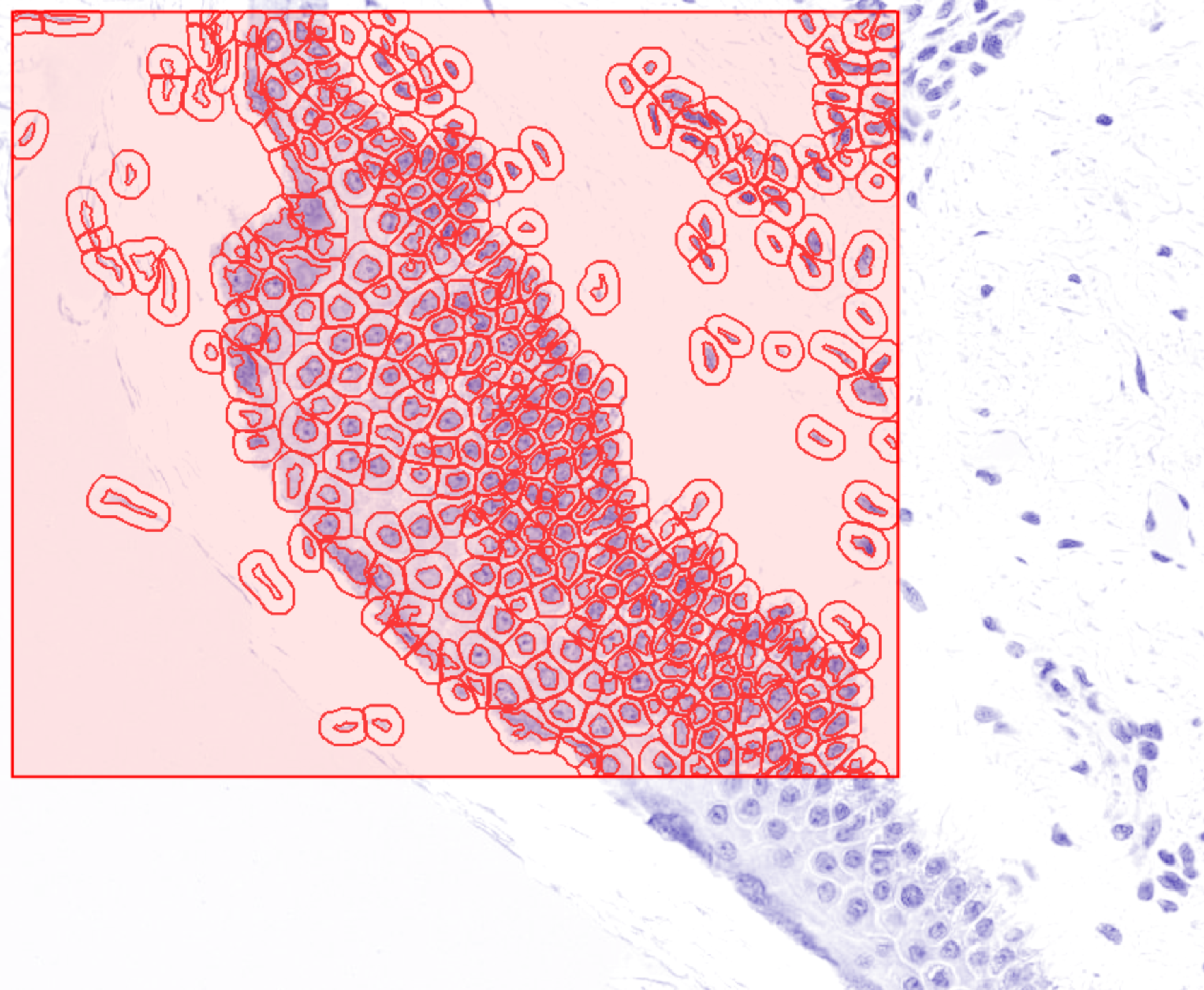
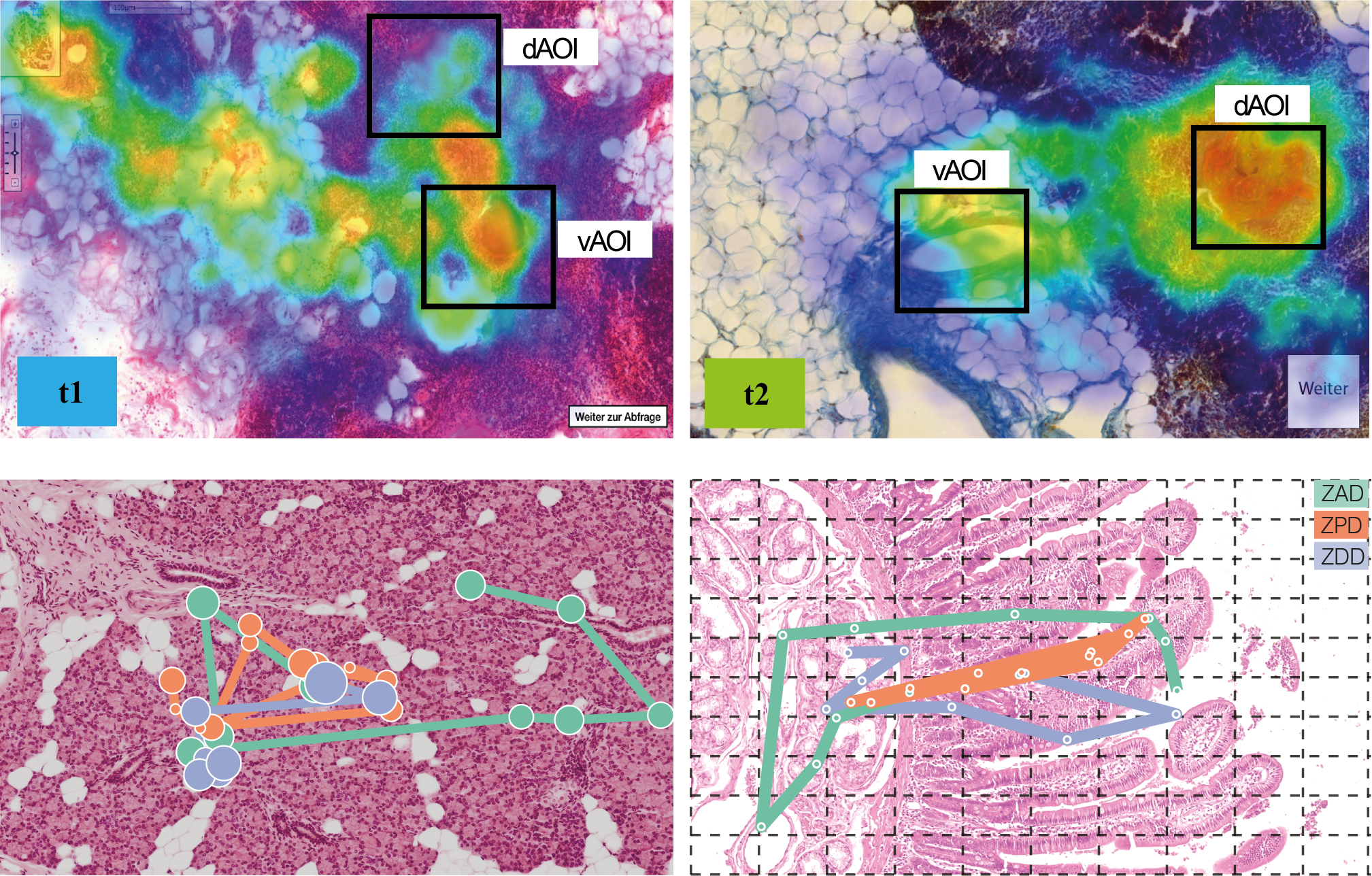
We study how anatomy experts perceive visual information that novices overlook. Using eye-tracking, we record gaze behaviour of medical students examine histological sections, ultrasound scans, and anatomical structures to identify search patterns linked to accurate image interpretation and tracing how these develop across training. A translational question is how expert eye movements can serve as a teaching resource, and we investigate which instructional formats best support the transfer of visual expertise.
Development of digital learning tools for the anatomy curriculum

We build learning environments that prepare students for diagnostic work in an increasingly digital clinical world. Whole slide imaging and distance teaching represent a first step; we build on that foundation by integrating AI-assisted segmentation into the direct study of histology. Our focus is on connecting AI tools directly to core anatomical learning objectives, and to foster AI-literacy without overloading the curriculum with technical details. Through this, we aim to support cognitive engagement, critical thinking, and help medical students reach clinical competency more efficiently.

Joint visual attention in medical training

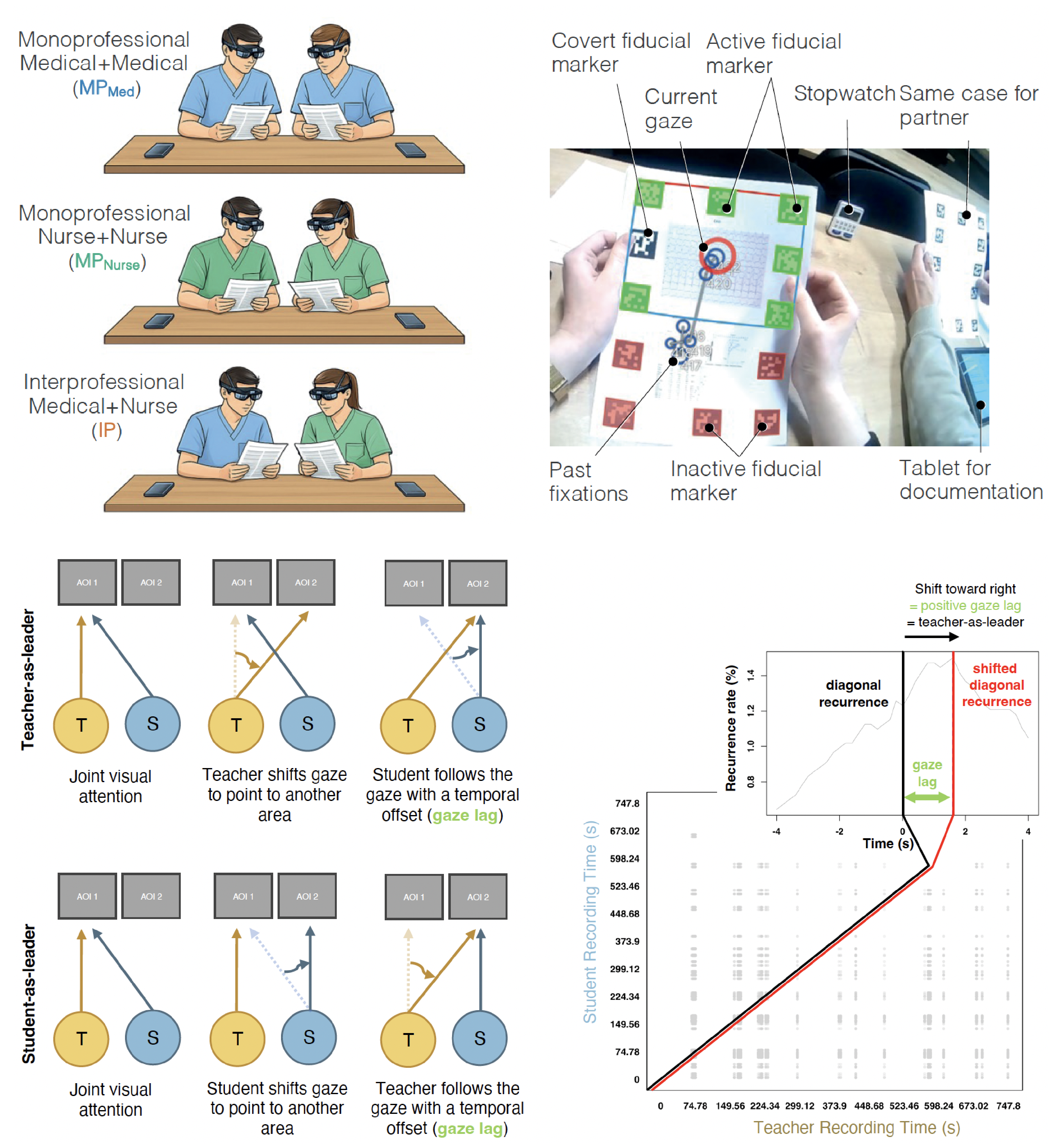
We study what happens when a teacher-student or student-student pairs attend to the same thing at the same time, and why it matters for learning. Using dual mobile eye-tracking, we simultaneously record the gaze of dyads during live medical training scenarios to quantify joint visual attention, map leader-follower dynamics, and compare how different instructional approaches shape shared attention patterns. Our goal is to translate these insights into practical guidance for educators and tools that support reflective teaching practice.

Visual attention of professional and interprofessional medical teams

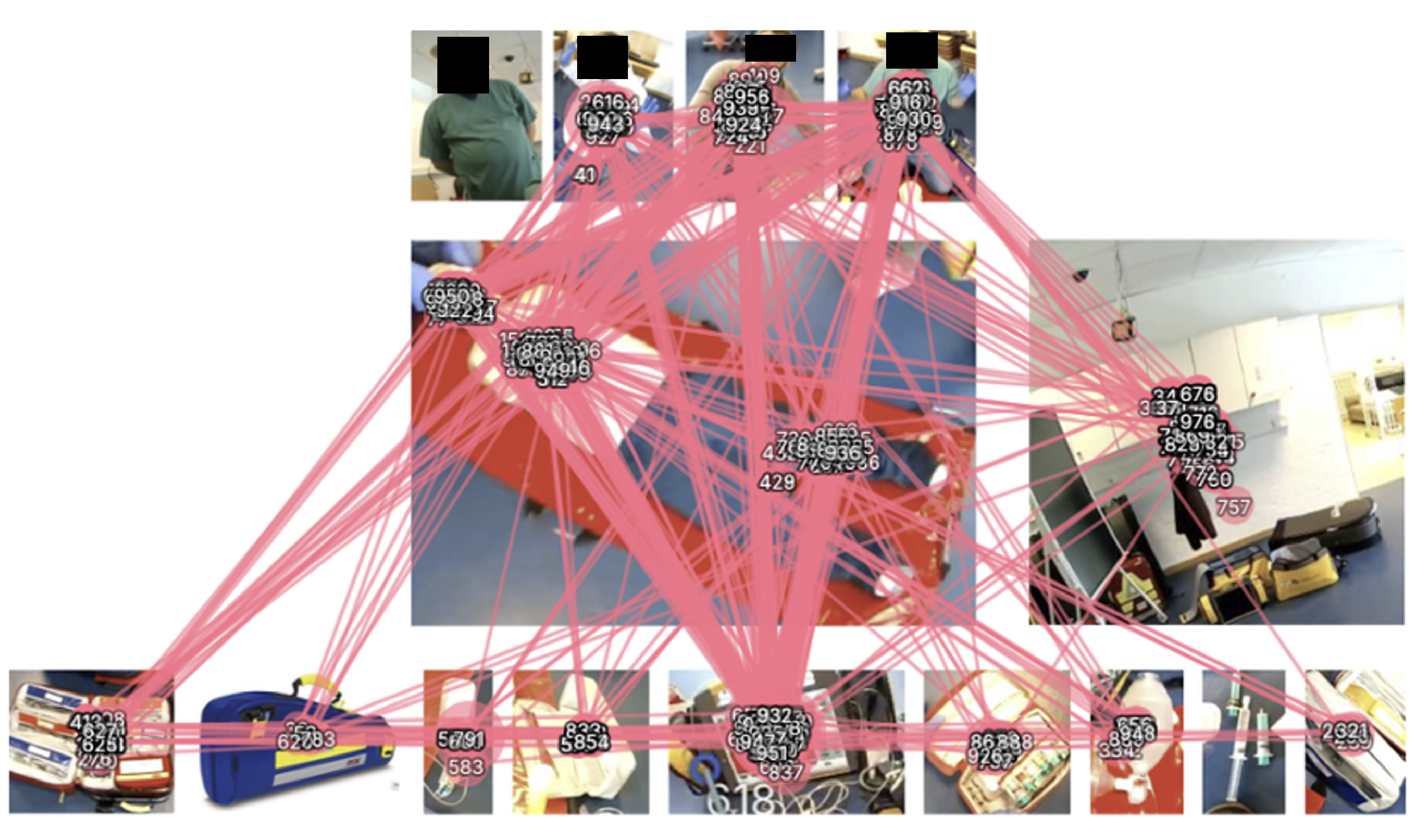
We study how members of medical teams coordinate their visual attention during joint tasks, and what this reveals about how expertise, role, and communication shape shared situational awareness. Using multiparty mobile eye-tracking across multiple team members simultaneously, we record gaze behaviour in ecologically valid scenarios. We map how attention is distributed across professional roles and how visual coordination relates to group communication and decision-making.